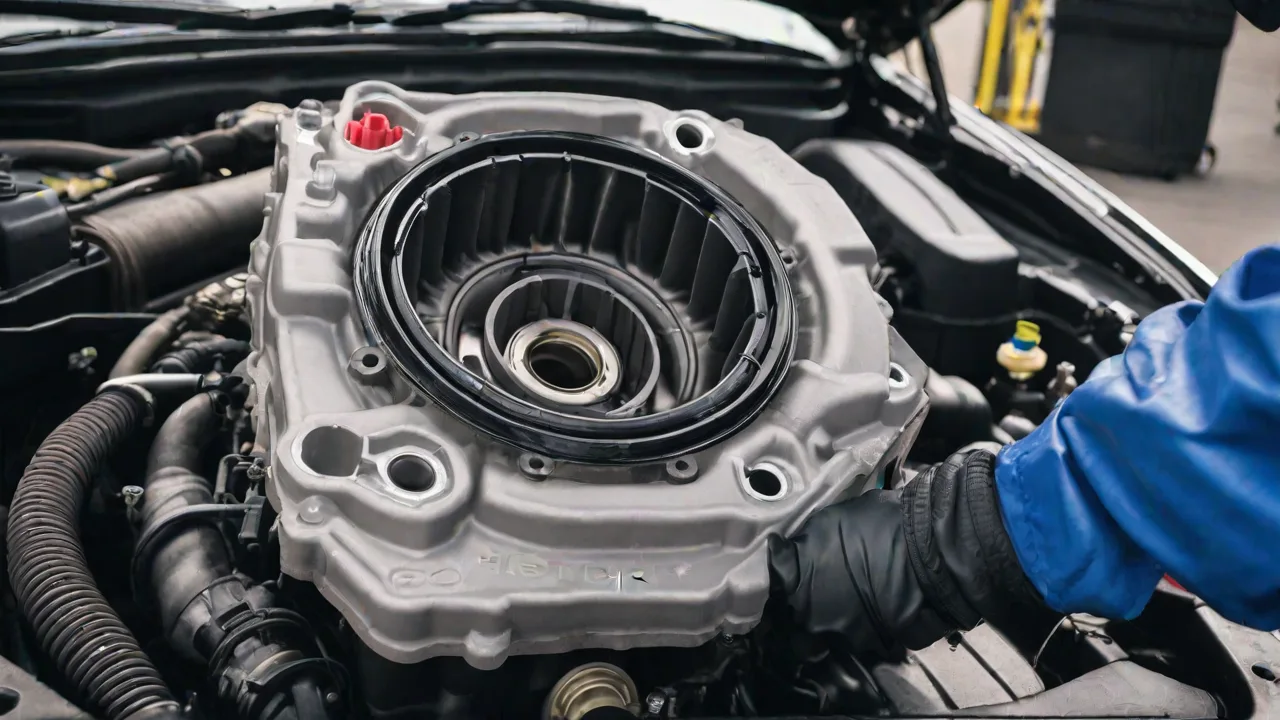
The Best Practices for Subaru Cvt Transmission Cooling System Flushes
Maintaining the transmission system of your Subaru is essential for ensuring smooth driving and extending the lifespan of your vehicle. One critical aspect of this maintenance is performing a cooling system flush for the CVT (Continuously Variable Transmission). Proper flushing can prevent overheating, reduce wear, and improve overall transmission performance.
Why Is a Cooling System Flush Important?
The CVT transmission relies on a specialized cooling system to regulate temperature and maintain optimal operation. Over time, the cooling fluid can become contaminated or degraded, leading to inefficient cooling and potential damage. Regular flushing removes old fluid, debris, and contaminants, ensuring the system functions correctly.
Best Practices for Subaru CVT Transmission Cooling System Flushes
- Consult Your Owner’s Manual: Always refer to the manufacturer’s recommendations for flush intervals and fluid specifications.
- Use the Correct Fluids: Subaru recommends specific CVT fluids. Using the correct type ensures compatibility and optimal performance.
- Prepare the Vehicle: Park on a level surface, engage the parking brake, and let the engine cool before starting the procedure.
- Drain the Old Fluid: Locate the transmission cooling system drain plug and carefully drain the old fluid into a container for proper disposal.
- Flush the System: Use a specialized flushing machine or follow a manufacturer-approved manual process to circulate fresh fluid through the system.
- Refill with New Fluid: Fill the system with the recommended CVT fluid, checking levels with the dipstick or fill port.
- Check for Leaks and Proper Operation: Start the engine, shift through all gears, and observe the system for leaks or abnormal sounds.
- Perform a Test Drive: Drive the vehicle for a short distance to ensure smooth shifting and proper temperature regulation.
- Recheck Fluid Levels: After the test drive, recheck the fluid level and top off if necessary.
Additional Tips for Maintaining Your Subaru CVT
Regular maintenance is key to preventing costly repairs. Besides flushing, consider inspecting the cooling system components, such as hoses and the radiator, for signs of wear or leaks. Also, keep an eye on the transmission temperature gauge during drives, especially in hot weather or heavy traffic.
By following these best practices, you can ensure your Subaru’s CVT transmission remains in excellent condition, providing reliable performance and extending the life of your vehicle.